Categoria: Data Center

  • Migrating to a Professional Data Center: The Essential Checklist

    Migrating to a Professional Data Center: The Essential Checklist

    Planning to migrate your infrastructure to a professional data center? Here’s a technical checklist to ensure a secure, efficient and scalable transition.

    Why migrate to a professional data center?

    Growing businesses inevitably hit infrastructure limits. A professional data center offers:

    • High availability (uptime)
    • Physical and cyber risk reduction
    • On-demand scalability
    • Consistent performance with expert support

    But a smooth transition starts with a proper checklist.
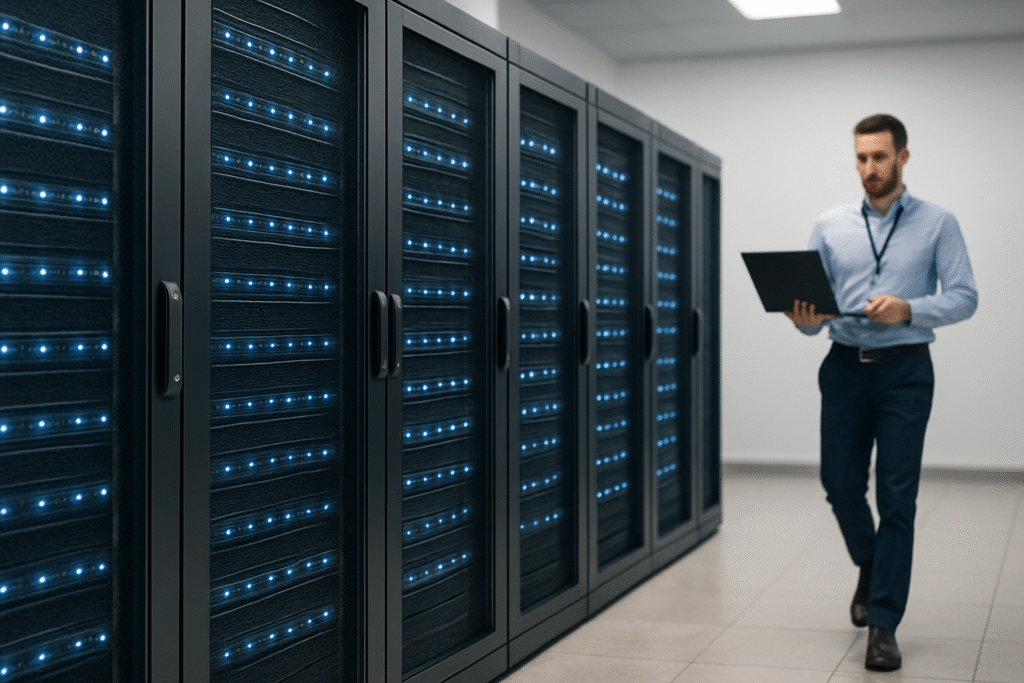
    ✅ Essential Checklist for a Safe Migration

    1. 📦 Audit your current inventory

    • What systems and applications will be moved?
    • Are there any interdependencies?
    • Any legacy systems that need adaptation?

    Perform a full technical mapping before moving anything.

    2. 🔐 Define your security requirements

    • Do you need dedicated firewalls?
    • What encryption standards are in place?
    • Are you subject to LGPD, HIPAA, PCI-DSS, etc.?

    The data center must offer compliance, physical isolation, and continuous monitoring.

    3. 🌐 Plan your connectivity

    • Will you need a dedicated link, BGP, or multiple carriers?
    • Is there redundancy?

    Low latency and resilience are non-negotiable for real-time services.

    4. 📈 Forecast growth and scalability

    • How fast is your traffic or resource usage growing?
    • Can the provider scale vertically and horizontally?

    Plan for tomorrow, not just today.

    5. 👨‍💻 Confirm support and SLA

    • Is 24/7 expert human support included?
    • What’s the average incident response time?
    • Can you speak directly with engineers?

    Without real support, even great infrastructure fails.

    6. 🔄 Test before going live

    • Run load tests, failover simulations, and validation
    • Ensure data integrity
    • Plan for rollback in case of failure

    A safe migration includes backup, validation, and rollback.

    Migrating to a professional data center is a strategic leap. Done right, it gives your company stability, growth, and peace of mind.

    🔵 At L7CORE, we help businesses migrate with precision and performance. Our technical team supports every step of the journey.
    Request a free infrastructure review today.

  • Data Centers Tier III vs Tier IV: What Does Your Business Really Need?

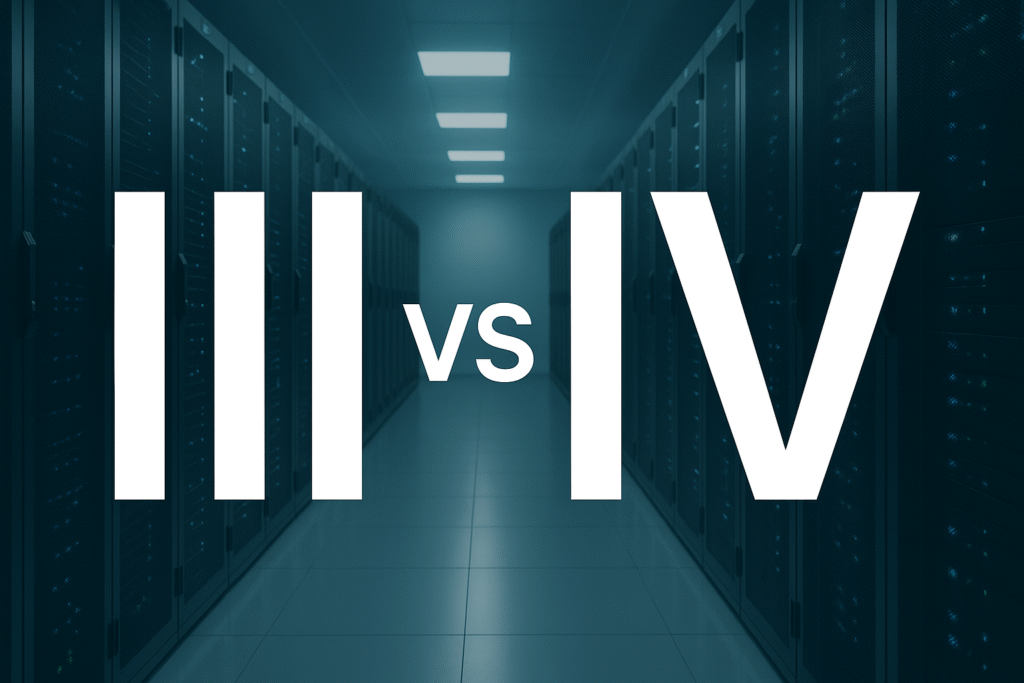
    Data Centers Tier III vs Tier IV: What Does Your Business Really Need?

    Learn the differences between Tier III and Tier IV data centers and discover which infrastructure level best fits your business needs.

    What are Data Center Tiers?

    Tiers are classification levels defined by the Uptime Institute to evaluate the design and reliability of a data center. The most common for enterprise use are Tier III and Tier IV.

    Tier III: High availability with efficient cost

    A Tier III Data Center provides:

    • N+1 redundancy: One backup system for every critical component
    • 99.982% uptime annually (up to 1.6 hours of downtime/year)
    • Maintenance without shutdown
    • Cost-effective for high-demand businesses

    Ideal for companies that need high uptime but want to control infrastructure costs.

    Tier IV: Maximum fault tolerance and reliability

    A Tier IV Data Center includes:

    • 2N + 1 redundancy: Two independent systems plus backup
    • 99.995% uptime annually (up to 26 minutes of downtime/year)
    • Fully fault-tolerant architecture
    • Mission-critical environments (finance, government, health)

    Recommended where any downtime equals major losses.

    Which Tier is right for your business?

    CriteriaTier IIITier IV
    Uptime99.982%99.995%
    RedundancyN+12N + 1
    CostMediumHigh
    Best forSaaS, e-commerce, enterpriseBanks, government, critical ops
    Fault TolerancePartialFull

    What does L7CORE offer?

    L7CORE operates both Tier III and Tier IV certified data centers — tailored to your project’s needs with robust infrastructure, advanced security, and enterprise-grade support.

    🔵 Want to understand which Tier fits your infrastructure strategy?
    Talk to our specialists.

  • What Is a Data Center and Why It’s the Core of Your Digital Infrastructure

    What Is a Data Center and Why It’s the Core of Your Digital Infrastructure

    Learn how modern data centers deliver uptime, security, and scalability for any business that relies on digital systems.

    What is a Data Center?

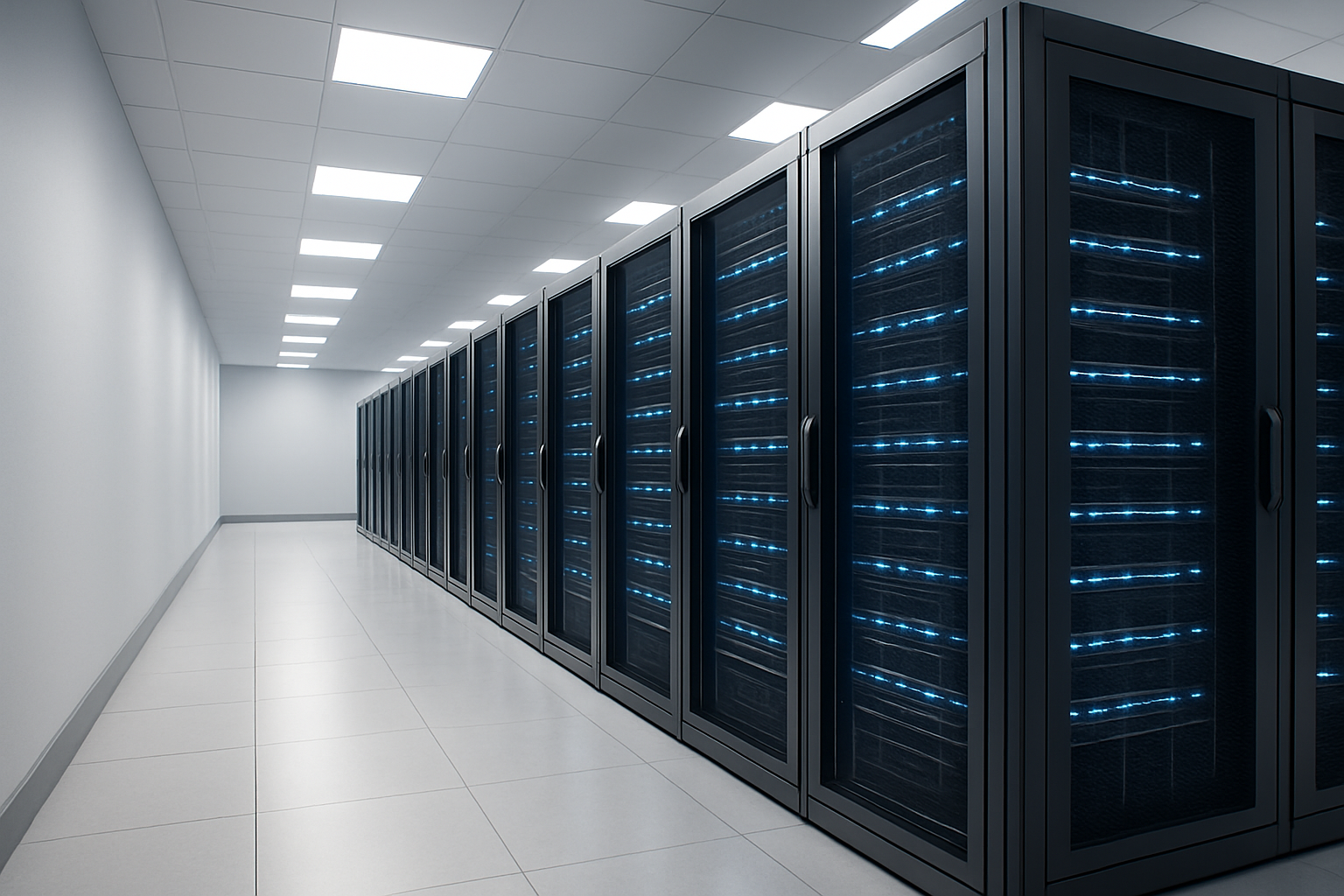
    A data center is a highly secure physical facility that houses servers, storage systems, switches, routers, and other key components required for online platforms and cloud infrastructure to operate.

    From websites and databases to enterprise applications and cloud services — everything runs from the controlled and redundant environment of a modern data center.

    data center use

    Key benefits of a modern data center

    High availability: 24/7 uptime guaranteed with redundant power and networking.

    Maximum security: Physical surveillance, biometric access, firewalls, and more.

    Scalability: Instantly scale your resources as your business grows.

    Energy efficiency: Sustainable operations with advanced cooling.

    Robust connectivity: Redundant carrier links for stability and low latency.

    Why L7CORE’s Data Centers?

    L7CORE offers enterprise-grade data center infrastructure, both in Brazil and abroad, leveraging:

    • International certifications like ISO 27001, Tier III+
    • Compliance-ready environments (LGPD, HIPAA, PCI-DSS)
    • 24/7 technical support with proactive monitoring

    When do you need a data center?

    • You require 24/7 application availability
    • You process sensitive or regulated data
    • You don’t have internal infrastructure to support growth

    You need performance and security at scale

    🔵 Need expert advice on the best infrastructure setup?
    Talk to an L7CORE specialist now.